
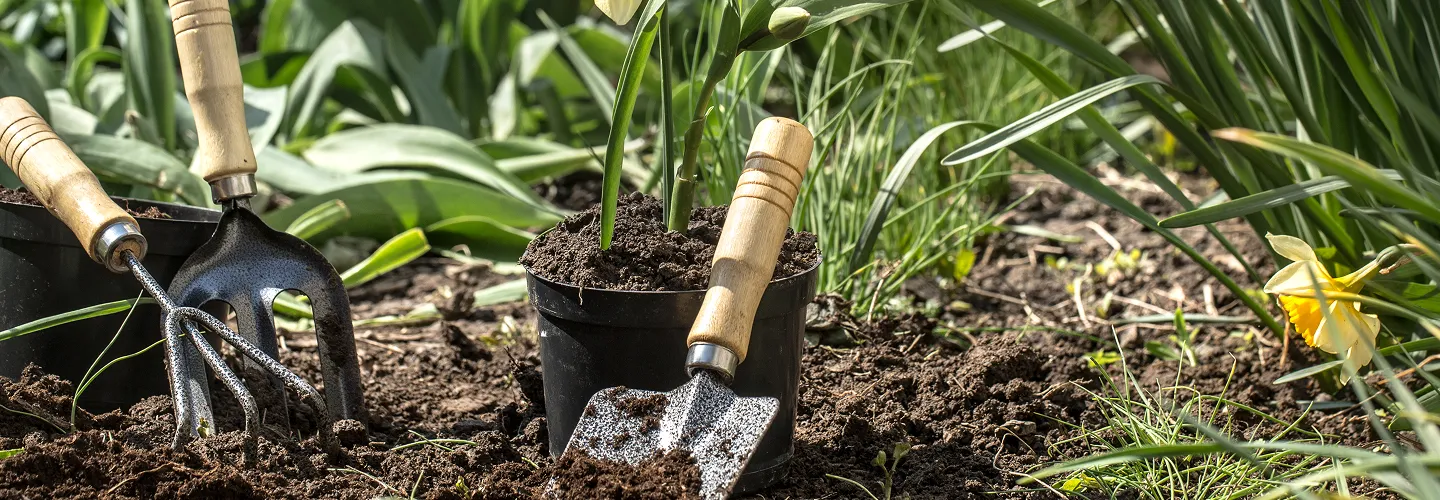
Burkburnett Flower Bed Maintenance Services
Choose our Flower Bed Maintenance for expert care, vibrant blooms, and a weed-free landscape—so you can enjoy a beautiful, hassle-free garden season after season.
Get a Free QuoteOur Burkburnett Landscaping & Yard Care Services
When to Schedule Flower Bed Maintenance in Burkburnett, Texas – Seasonal Guide
In Burkburnett, Texas, the best times for flower bed maintenance are closely tied to our unique North Texas climate and local landscape features. Early spring, just after the last frost date, is ideal for cleaning beds, refreshing mulch, and planting annuals, while late fall is perfect for preparing beds for winter and protecting perennials. The timing can vary depending on microclimates found in neighborhoods like Tanglewood or near the Red River, where soil drainage and shade coverage differ.
Local factors such as the risk of late spring frosts, periods of summer drought, and the heavy clay soils common in Burkburnett all play a role in determining when to schedule maintenance. Homeowners should also consider municipal guidelines and water restrictions, which can be found on resources like the Sudbury town website, to ensure compliance and optimal plant health.
Local Factors to Consider for Flower Bed Maintenance in Burkburnett
- Proximity to mature trees (affecting shade and root competition)
- Soil type (clay-heavy soils require different care than sandy areas)
- Average precipitation and drought risk during summer months
- Frost dates, especially in areas near the Wichita River
- Terrain and drainage, particularly in neighborhoods with sloped lots
- Municipal watering restrictions and seasonal guidelines
Benefits of Flower Bed Maintenance in Burkburnett
Enhanced Curb Appeal
Weed and Pest Prevention
Healthier Plant Growth
Seasonal Color Variety
Professional Landscaping Expertise
Increased Property Value
Burkburnett Flower Bed Maintenance Types

Seasonal Mulching
-
Weed Control
-
Soil Amendment
-
Edging and Trimming
-
Plant Health Monitoring
-
Fertilization Services
-
Annual Flower Planting
Our Flower Bed Maintenance Process
Site Evaluation
Weed Removal
Soil Preparation
Plant Care
Mulching
Why Choose Burkburnett Landscape Services
Burkburnett Homeowners Trust Us
-
Expert Lawn Maintenance
-
Reliable Scheduling
-
Competitive Pricing
-
Professional Team
-
Satisfaction Guarantee
-
Personalized Service
-
Locally Owned and Operated
Soil Series and Drainage Considerations for Flower Beds in Burkburnett
Burkburnett’s predominant soils, including the Burkburnett clay loam and Wichita clay, present unique challenges for flower bed maintenance. These soils are characterized by moderate to poor drainage and a tendency toward compaction, with pH levels typically ranging from 7.2 to 8.0. For optimal plant health, it is recommended to incorporate 2-3 inches of compost tilled to a 6-inch depth and to conduct a soil test through Texas A&M AgriLife Extension (typical cost: $15-25). Key soil management steps include:
- Compost incorporation: 2-3 inches tilled to 6-inch depth
- Lime application for pH below 6.0; sulfur for pH above 7.5
- Avoiding overwatering due to slow drainage
- Mulching to reduce evaporation and compaction Research local soil series using the USDA Web Soil Survey for site-specific recommendations.
Municipal Debris Collection and Disposal Protocols for Burkburnett Flower Bed Projects
Proper disposal of flower bed debris in Burkburnett is governed by municipal collection schedules and container requirements. Yard waste collection occurs every Thursday from April through November. Accepted materials include leaves, grass clippings, and brush under 4 feet in length, placed in biodegradable bags or reusable bins (32-gallon maximum). Prohibited items include plastic bags and branches over 4 inches in diameter. Residents must ensure:
- Weekly pickup: Thursday, April–November
- Use of biodegradable bags or 32-gallon bins
- No plastic bags or oversized branches
- Place containers curbside by 7:00 AM Coordination with the Department of Public Works is required for large-scale debris removal or special pickups.
Burkburnett Public Works Department
501 Sheppard Road, Burkburnett, TX 76354
Phone: (940) 569-2263
Official Website: Burkburnett Public Works Department
Environmental Compliance: Buffer Zones and Stormwater Protection in Burkburnett
Flower bed maintenance in Burkburnett must comply with local and state environmental regulations to protect stormwater quality and sensitive areas. The Texas Water Code and Clean Water Act require a 25-foot no-disturbance buffer from wetlands and prohibit yard waste or soil from entering storm drains. The city’s MS4 permit, administered by the Texas Commission on Environmental Quality, mandates:
- 25-foot buffer from wetlands and streams
- No fertilizer or pesticide application within 50 feet of water bodies
- Prohibition of debris in storm drains
- Use of erosion control (e.g., silt fences) during bed renovation Violations may result in fines or remediation orders. For guidance, consult the city’s Code Enforcement Division.
Burkburnett Code Enforcement Division
501 Sheppard Road, Burkburnett, TX 76354
Phone: (940) 569-2263
Official Website: Burkburnett Code Enforcement Division
Plant Selection for Burkburnett’s Climate Zone 7b: Native and Drought-Tolerant Choices
Burkburnett is located in USDA Hardiness Zone 7b, with average annual minimum temperatures of 5°F to 10°F and frequent summer droughts. For sustainable flower beds, select species adapted to local conditions. Recommended options include:
- Full sun: Black-eyed Susan (Rudbeckia hirta), purple coneflower (Echinacea purpurea), daylily (Hemerocallis spp.)
- Partial shade: Coral bells (Heuchera americana), hosta (Hosta spp.), astilbe (Astilbe spp.)
- Deer resistant: Lavender (Lavandula angustifolia), Russian sage (Perovskia atriplicifolia), salvia (Salvia nemorosa)
- Native: Wild bergamot (Monarda fistulosa), Joe Pye weed (Eutrochium purpureum), cardinal flower (Lobelia cardinalis) Spacing should be 12-24 inches depending on mature size. For additional guidance, consult Texas A&M AgriLife Extension resources.
Equipment Operation Hours and Safety Standards for Flower Bed Work in Burkburnett
Burkburnett enforces specific noise and equipment operation ordinances for outdoor maintenance. Permitted hours for powered equipment are:
- Monday–Friday: 7:00 AM – 7:00 PM
- Saturday: 8:00 AM – 6:00 PM
- Sunday and holidays: Prohibited Operators must use commercial-grade equipment with functioning mufflers and maintain noise levels below 85 decibels at property lines. Required personal protective equipment (PPE) includes:
- Eye protection: ANSI Z87.1 safety glasses
- Hearing protection: Earmuffs or plugs for 85+ dB
- Footwear: Steel-toed, non-slip boots
- Gloves: Cut-resistant for pruning, chemical-resistant for applications For ordinance details, refer to the city’s zoning regulations.
Burkburnett Zoning Ordinances
501 Sheppard Road, Burkburnett, TX 76354
Phone: (940) 569-2263
Official Website: Burkburnett Zoning Ordinances
What Neighborhoods Do We Serve Throughout Burkburnett, TX?
- Downtown Burkburnett: Features older properties with compacted clay soils and mature trees, requiring careful soil amendment and root zone protection during flower bed installation.
- Sunrise Estates: Newer development with improved drainage but higher sun exposure, making drought-tolerant plant selection essential for sustainable beds.
- River Creek Estates: Proximity to the Red River and floodplain areas necessitates strict adherence to buffer zone regulations and erosion control measures.
- Northwest Heights: Larger lots with variable soil pH and occasional slope, requiring customized soil testing and terracing for effective flower bed maintenance.
- Parkview Addition: Adjacent to city parks, this area faces deer pressure and requires use of deer-resistant species and compliance with park buffer ordinances.
- Eastside Residential: Dense housing with limited access, making containerized debris collection and adherence to equipment operation hours especially important.
- Westover Acres: Features a mix of established and new landscaping, with HOA guidelines influencing plant selection and maintenance schedules.