
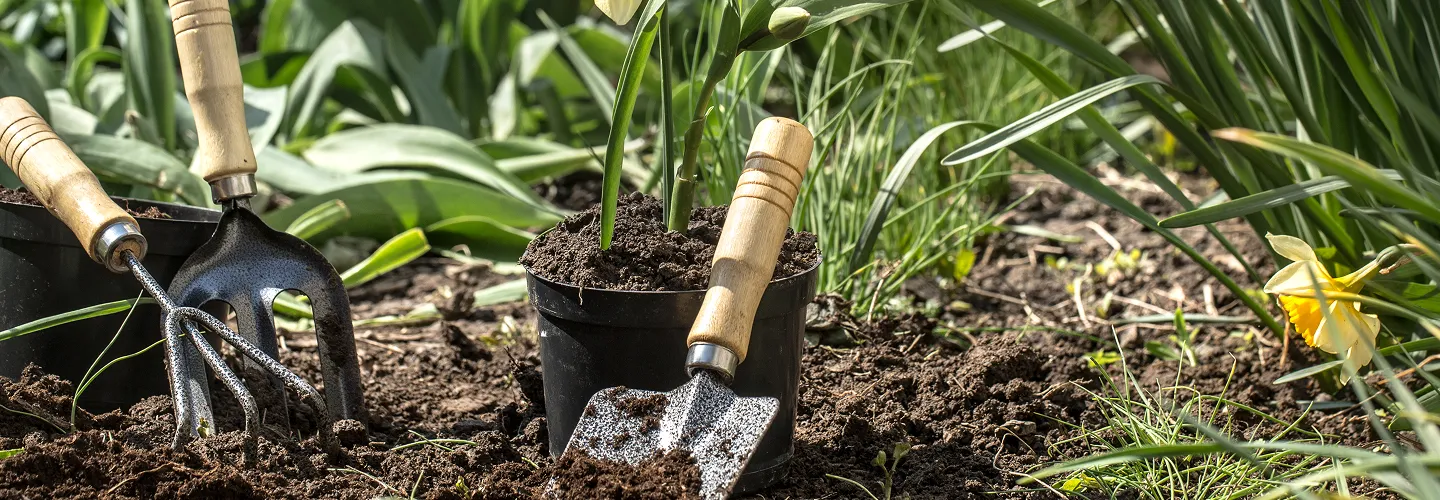
Burkburnett Plant Removal Services
Choose our plant removal services for safe, thorough, and eco-friendly solutions that restore your landscape’s beauty while saving you time and effort.
Get a Free QuoteOur Burkburnett Landscaping & Yard Care Services
When to Schedule Plant Removal in Burkburnett, Texas – Seasonal Guide
In Burkburnett, Texas, timing your plant removal is crucial for both the health of your landscape and the efficiency of the process. The region’s climate features hot, dry summers and mild winters, with the last frost typically occurring in early March and the first frost arriving in late November. This means the optimal windows for plant removal are early spring and late fall, when plants are either dormant or just beginning to grow, minimizing stress on your soil and surrounding vegetation. Neighborhoods near Friendship Park and the Red River often experience unique microclimates, with increased humidity and shade coverage that can affect the timing and methods used for plant removal. Soil types in Burkburnett range from sandy loam to clay, impacting root depth and removal difficulty. Additionally, drought risk during summer months can make removal more challenging and potentially harmful to your yard’s ecosystem. For more information on local environmental guidelines, visit the Sudbury municipal resource.
Local Factors to Consider for Plant Removal in Burkburnett
- Tree and shrub density in your yard
- Terrain slope and accessibility, especially in areas near the Wichita River
- Seasonal precipitation patterns and drought advisories
- Municipal restrictions or permit requirements
- Soil type (sandy, clay, or loam) and drainage
- Shade coverage from mature trees or nearby structures
Benefits of Plant Removal in Burkburnett
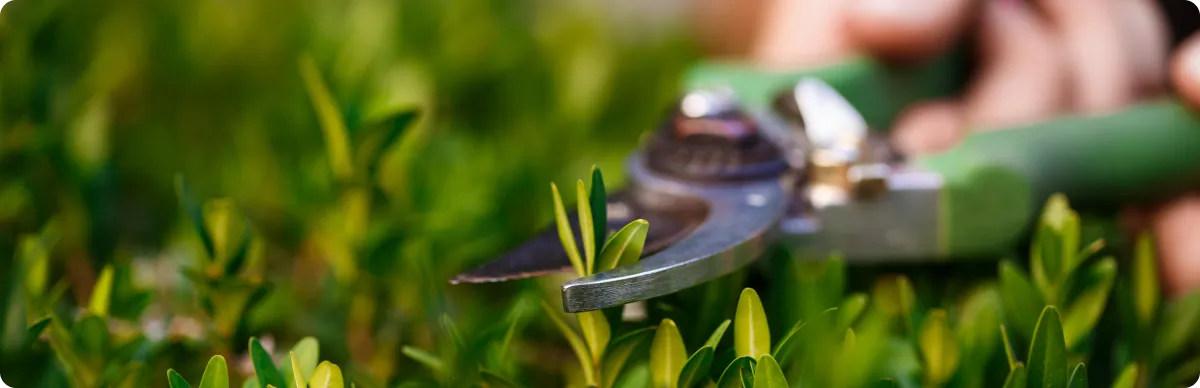
Expert Landscaping Services
Efficient Plant Removal
Eco-Friendly Disposal Methods
Improved Curb Appeal
Customized Solutions
Licensed and Insured Team
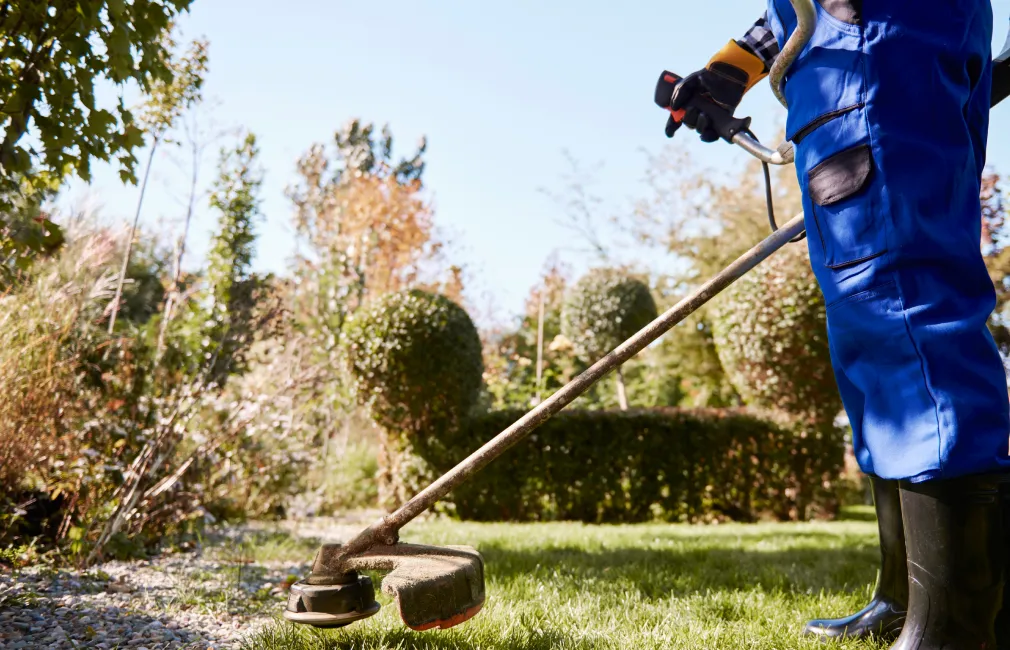
Burkburnett Plant Removal Types

Tree Removal
-
Shrub Removal
-
Stump Grinding
-
Invasive Species Removal
-
Root System Extraction
-
Overgrown Vegetation Clearing
-
Flower Bed Cleanouts
Our Plant Removal Process
Site Evaluation
Preparation and Safety Measures
Plant Extraction
Debris Removal
Site Restoration
Why Choose Burkburnett Landscape Services
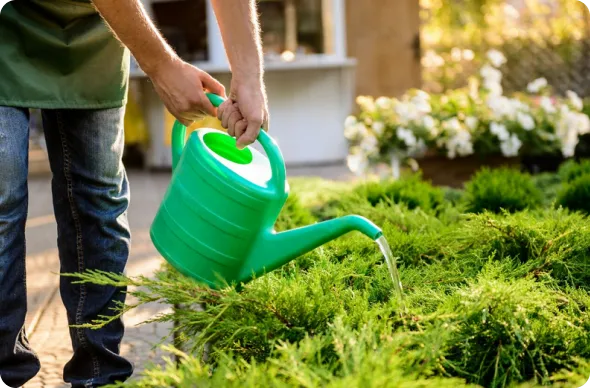
Burkburnett Homeowners Trust Us
-
Expert Lawn Maintenance
-
Reliable Scheduling
-
Competitive Pricing
-
Professional Team
-
Satisfaction Guarantee
-
Personalized Service
-
Locally Owned and Operated
Plant Removal and Debris Disposal Procedures in Burkburnett
Plant removal in Burkburnett is governed by municipal ordinances that require strict adherence to local disposal and collection protocols. The city schedules weekly yard waste collection every Thursday from April through November. Residents must use biodegradable bags or reusable bins (32-gallon maximum) for plant debris, and branches must be under 4 inches in diameter and 4 feet in length. Plastic bags and oversized branches are prohibited. For large-scale removals or projects involving protected species, a permit may be required, with typical review times of 5-10 business days and application fees ranging from $25 to $75. Coordination with the Department of Public Works ensures compliance with city standards and prevents improper dumping, which is subject to code enforcement action.
Burkburnett Public Works Department
501 Sheppard Road, Burkburnett, TX 76354
Phone: (940) 569-2263
Official Website: Burkburnett Public Works Department
Soil Series and Site Conditions Affecting Plant Removal in Burkburnett
Burkburnett’s landscape is dominated by Houston Black clay and Burkburnett clay loam soils, as identified by the USDA Web Soil Survey. These soils are characterized by high clay content, poor drainage, and a tendency to compact, especially in developed areas. The pH typically ranges from 7.2 to 8.0, which can affect the decomposition rate of organic debris and influence the selection of removal equipment. When removing plants, it is essential to avoid soil disturbance deeper than 6 inches to prevent erosion and maintain soil structure. For sites with seasonal water tables at 18-24 inches, additional erosion control measures such as silt fencing or straw wattles are recommended. Soil testing through Texas A&M AgriLife Extension is advised for accurate amendment recommendations.
- Houston Black clay: high shrink-swell, compaction risk
- Burkburnett clay loam: moderate drainage, alkaline pH
- Soil disturbance: limit to 6 inches depth
- Erosion control: silt fence for slopes >5%
- Soil test cost: $15-25 through extension service
Environmental Compliance and Stormwater Protection for Plant Removal in Burkburnett
All plant removal activities in Burkburnett must comply with the Texas Water Code and the city’s MS4 stormwater permit, which prohibits the discharge of plant debris into storm drains or local waterways. A 25-foot no-disturbance buffer is required from wetlands and drainage ditches, and no fertilizer or herbicide applications are permitted within 50 feet of water bodies. The Texas Commission on Environmental Quality (TCEQ) enforces these standards, and violations may result in fines. Proper debris management is essential to prevent nutrient runoff and protect the Red River and local creeks. For guidance on compliance, consult TCEQ and the EPA’s Clean Water Act. The city’s Code Enforcement Division investigates violations and provides technical assistance.
- 25-foot buffer from wetlands/ditches
- No debris in storm drains (MS4 compliance)
- No chemicals within 50 feet of water
- Fines for violations: $100-$500 per incident
Burkburnett Code Enforcement Division
501 Sheppard Road, Burkburnett, TX 76354
Phone: (940) 569-2263
Official Website: Burkburnett Code Enforcement Division
Texas Commission on Environmental Quality
12100 Park 35 Circle, Austin, TX 78753
Phone: (512) 239-1000
Official Website: Texas Commission on Environmental Quality
Equipment Operation Hours and Safety Standards for Plant Removal in Burkburnett
Burkburnett enforces municipal noise ordinances for plant removal equipment. Permitted operation hours are:
- Monday-Friday: 7:00 AM - 7:00 PM
- Saturday: 8:00 AM - 6:00 PM
- Sunday and holidays: Prohibited
All operators must use commercial-grade equipment with functioning mufflers, and noise levels must not exceed 85 decibels at the property line. Personal protective equipment (PPE) is mandatory, including ANSI Z87.1 safety glasses, hearing protection for noise above 85 dB, steel-toed boots, and cut-resistant gloves. When working within 15 feet of overhead utilities, maintain clearance and use insulated tools. For removals near public roads, set up advance warning signs 500 feet from the work zone and use high-visibility vests. The Department of Public Works provides additional safety guidance and reviews traffic control plans for large projects.
Burkburnett Public Works Department
501 Sheppard Road, Burkburnett, TX 76354
Phone: (940) 569-2263
Official Website: Burkburnett Public Works Department
Optimal Timing for Plant Removal in Burkburnett’s Climate Zone
Burkburnett is located in USDA Hardiness Zone 7b, with average annual minimum temperatures of 5°F to 10°F. The optimal window for plant removal is from October 1 to March 15, when most vegetation is dormant and soil moisture is moderate. Avoid removals during June-August due to high temperatures (often exceeding 95°F) and drought stress, which can increase soil compaction and erosion risk. For invasive species, removal before seed set (typically by late May) is recommended. Monitor local weather conditions using the National Weather Service - Norman, OK Office, which provides real-time updates for Burkburnett. For large projects, schedule removals after significant rainfall to minimize dust and facilitate root extraction.
- Dormant season: October 1 - March 15
- Avoid: June-August (heat/drought)
- Invasive removal: before late May seed set
- Monitor: National Weather Service - Norman, OK Office
What Neighborhoods Do We Serve Throughout Burkburnett, TX?
- Downtown Burkburnett: Features mature trees and compacted urban soils, requiring careful debris handling and compliance with historic district guidelines.
- Sunrise Estates: Newer development with moderate clay loam soils and larger lot sizes, allowing easier equipment access but requiring attention to drainage patterns.
- River Creek Estates: Proximity to the Red River and local creeks necessitates strict buffer compliance and erosion control during plant removal.
- Northwest Heights: Elevated terrain with moderate slopes and mixed soil types, presenting challenges for equipment stability and runoff management.
- Southmoor Addition: Dense residential area with narrow streets and overhead utilities, requiring specialized equipment and adherence to noise ordinances.
- Westside Park Area: Adjacent to city parks and recreational spaces, with increased oversight from Parks and Recreation and additional restrictions on protected species.
- East Burkburnett: Includes properties near drainage ditches and conservation areas, where wetland buffers and stormwater compliance are critical.